On this page
What Makes a Good Project?
A good project is something you actually wanted to build, made well enough that you would happily show it off. That is the whole bar. This page shows you what that looks like, with real examples, and answers the question everyone asks: can I base my project on someone else's design?
What "good" really means
The best projects come from someone who really wanted to make the thing. Maybe you saw something online and thought "I could make that better." Maybe it solves a problem you deal with every day. Maybe it is just something you think would be really cool to have.
At the end of the program, we want you to be proud of what you built. Proud enough to share it with your friends, parents, teachers, and the world. If someone searches your name and your project pops up, you should be glad it did.
If the only answer is "I want to go to the hackathon" or "I want to learn React," there should be more to it. The best projects come from wanting the thing to exist, not just wanting the reward for making it.
Good projects vs. bad ones
Here is the difference at a glance:
| Good | Bad |
|---|---|
| Original idea with a story behind it | Copy-pasted code or design files |
| Feels like a real product or tool | Thrown together with no polish |
| Specific and unique to you | Vague ("AI app", "smart device", "portfolio site") |
It comes down to three things.
Be original. Every idea has been thought of before. What matters is that it is yours. Give it a name, a personality, a brand.
Be specific. "Todo app" tells you nothing. "A task manager that sends passive-aggressive reminders through Discord" gives you a direction. "AI robot" tells you nothing. "A robot trash can that follows floor lines and takes itself out when full" gives you a direction.
Make it feel finished. For software: clean UI, a README that explains what it does, deployed somewhere people can try it. For hardware: no dangling wires, add a case, clean it up. It does not need to be perfect, but it should look intentional.
Can I base it on someone else's design?
Yes, you can learn from other people's work, and you should. Just use it as a reference, not a template.
Use other projects as references, not templates. If you do reuse a specific chunk of someone else's work, credit the author in your README. Reviewers can tell, and uncredited copies get rejected.
The rule is simple: look at how someone solved a problem, then build your own version. If you do end up reusing a specific chunk of their code or design files, name them in your README. An honest credit is fine. An uncredited copy is not, and it will get rejected at review.
What not to build
These are the projects that look finished but are not really yours. Each one has a quick fix.
Software to avoid
- Basic todo app. Will anyone actually use this over the hundred that already exist?
- AI chatbot wrapper. If it is just an API call with a text box, what did you actually build?
- Portfolio website from a template. If you just filled in the blanks, that is not a project.
How to make them better:
- What if your todo app synced with your calendar and yelled at you through a Discord bot when you are procrastinating?
- What if your chatbot analyzed your Spotify listening history and roasted your music taste?
- What if your portfolio was a retro terminal that visitors could actually type commands into?
Hardware to avoid
- Arduino alarm clock. Will you actually use this?
- AI healthcare robot. What even is this?
- Distance sensor. Does this serve a real purpose?
How to make them better:
- What if your alarm clock had a cool custom case? What if you had to play whack-a-mole to stop it?
- What if the distance sensor alerted your phone when someone came into your room?
Do not overscope it. Make it detailed instead. Your project should have a clear purpose, not just "I used technology."
What good actually looks like
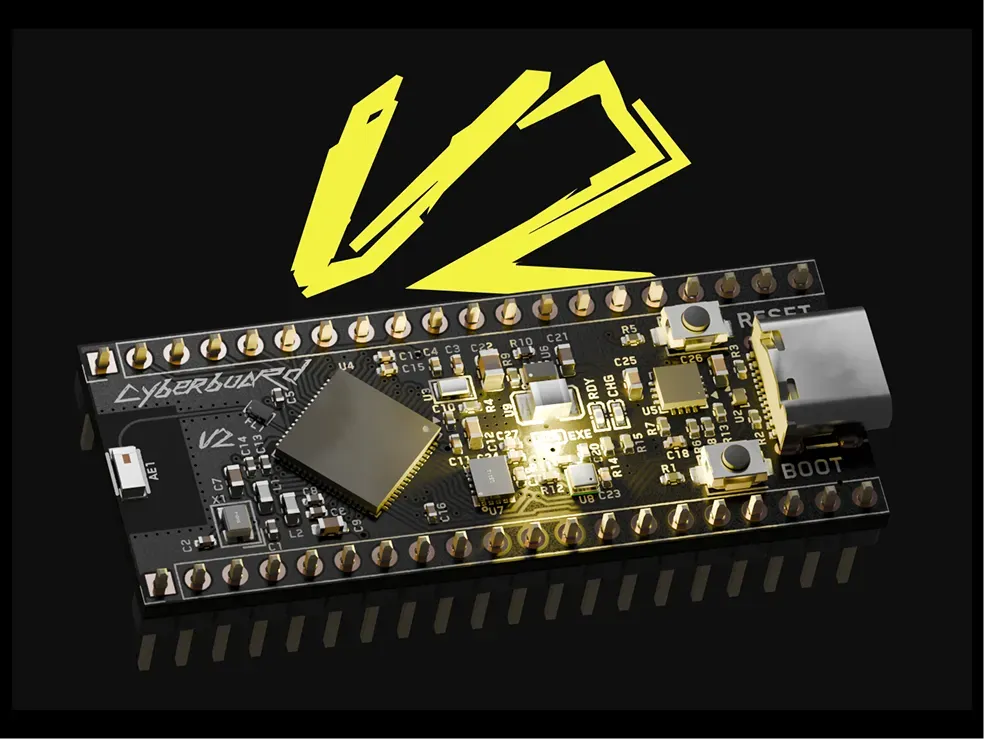
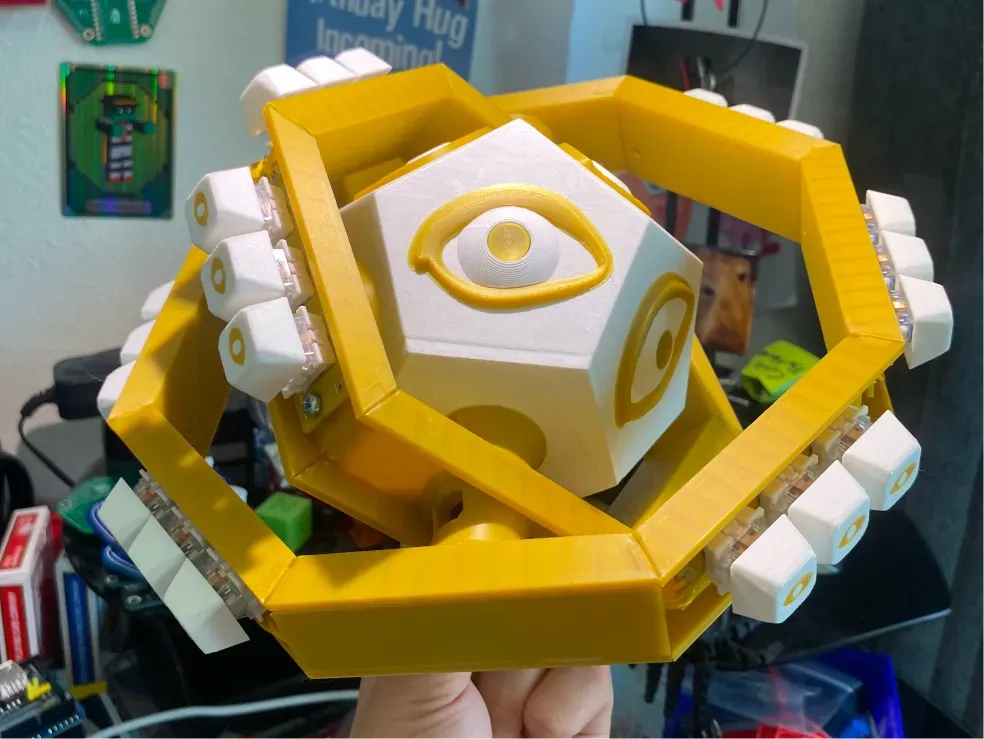
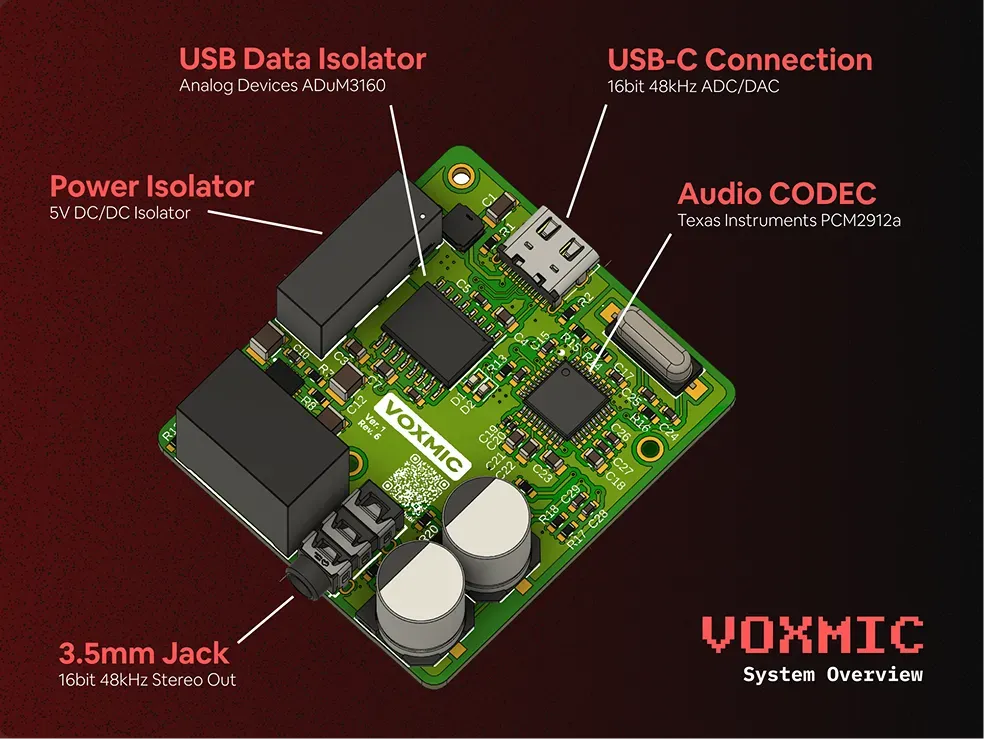
Stuck on what "good" feels like? Here are real projects built by Hack Clubbers.
Software
- DoomPDF. Doom (1993) running inside a PDF document. By Allen, 18.
- Vert. A file converter that uses WebAssembly to convert files entirely on your device. By Maya, 17.
- Specter. A game about a knight escaping a cave, haunted by his own ghost. By Ayessa, 18.
- Blind Defusal. A two-player cooperative bomb defusal game. By Joshua, 17.
Hardware
Still not sure what to build?
That is normal, especially at the start. Browse What to Build for first-project ideas, or ask in #macondo on the Hack Club Slack. People will give you honest feedback.
See also
- How the program works , the full walkthrough from idea to ship
- What to Build , ideas for your first software project
- How Levels Work , how your project's difficulty sets your gold, funding, and fruit